High-speed fiber optic internet and professional fiber optic installation are revolutionizing how homes and small offices connect online. Unlike traditional copper or DSL networks, fiber provides lightning-fast speeds, stable connections, and symmetrical upload/download performance. This makes it ideal for streaming, video conferencing, cloud services, online gaming, and smart home setups.
This comprehensive guide covers everything you need to know about fiber optic installation. From planning your network to testing performance and maintaining the system, this post provides actionable insights to ensure a smooth, efficient, and future-proof fiber internet setup.
Why Choose Fiber Optic Internet?
Fiber optic installation and fiber optic internet in Aliso Viejo, CA, deliver ultra-fast speeds and symmetric upload/download performance, making them ideal for streaming, gaming, and remote work. Its low latency ensures smooth real-time communication and reliable connectivity for multiple devices.
Additionally, fiber is future-proof, allowing easy upgrades and scalable network expansion as digital demands grow.
Ultra-Fast Speeds and Symmetric Bandwidth
Fiber optic installation enables fiber networks to deliver download and upload speeds from 500 Mbps to 1 Gbps or more, providing seamless performance for multiple users. Symmetric bandwidth ensures that uploading large files or hosting video calls is just as fast as downloading movies or streaming content.
Low Latency and Reliable Connectivity
Fiber optic installation ensures that fiber transmits data using pulses of light through glass or plastic fibers, minimizing interference. Latency typically stays below 20 milliseconds, compared to 30–70 milliseconds for cable or DSL. This low latency makes fiber ideal for gaming, real-time collaboration, live streaming, and smart devices that rely on instantaneous communication.
Scalable and Future-Proof Infrastructure
Fiber optic installation makes fiber highly scalable. Upgrading bandwidth or expanding your network usually requires minimal changes to the existing cabling. This future-proofs your home or small office network for increased device counts, higher video resolutions, and growing internet demands.
Preparing for Fiber Installation
Before installation, evaluate the following factors:
Step-by-Step Fiber Optic Installation Guide
1. Site Survey and Network Planning
During fiber optic installation, identify the entry point of the fiber cable and map the route to your network location. Take note of physical barriers like walls or ceilings and plan a conduit route that protects the cable from physical damage.
2. Running the Fiber Cable
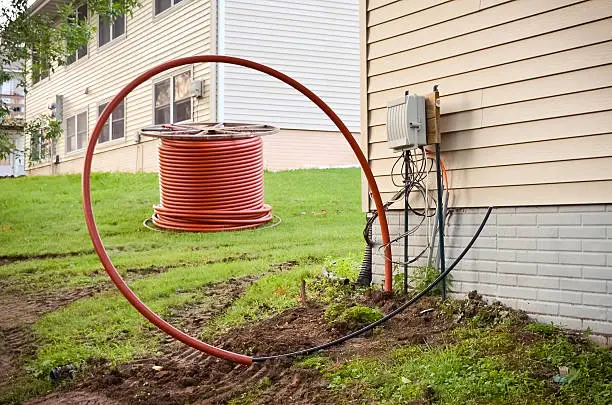
During fiber optic installation, professional installers typically run the main fiber cable from the provider’s distribution point to your building. Fiber is delicate, so avoid sharp bends, kinks, and direct exposure to moisture. Use protective conduits where possible.
3. Installing the Optical Network Terminal (ONT)
The ONT converts light signals into Ethernet data for your router and network devices. Place it in a dry, ventilated location with easy access to power. Proper ONT placement ensures stable, high-speed performance.
4. Router Setup and Network Configuration
Connect a fiber-compatible router to the ONT. Configure your Wi-Fi SSID, password, and security settings. Test the connection with speed test tools to verify that download and upload speeds meet the expected specifications.
5. Performance Testing and Verification
Test multiple devices under different conditions, including peak usage hours. Fiber should maintain consistent speeds and low latency across all devices. Verify download/upload speeds, latency, and overall network stability.
6. Maintenance and Best Practices
Label all cables and ports, secure fiber lines with conduits, and keep the ONT firmware updated. Periodic checks after power outages, renovations, or extreme weather will help maintain long-term network performance.
Common Fiber Installation Mistakes to Avoid
Conclusion
Fiber optic installation is a smart investment for anyone seeking fast, reliable, and future-ready internet. By following proper planning, professional installation, and best practices, you can enjoy high-speed connectivity, low latency, and seamless performance for all your devices. With fiber, homes and small offices can confidently meet today’s digital demands while staying prepared for the network needs of the future.
Frequently Asked Questions (Q&A)
Q1: What speeds can I realistically achieve with fiber optic internet?
Residential and small office fiber typically delivers 500 Mbps to 1 Gbps, with low latency and symmetric upload/download speeds, ideal for multi-device households, streaming, and cloud applications.
Q2: How does fiber latency compare to DSL or cable?
Fiber latency usually remains under 20 ms, whereas DSL or cable may range from 30-0 ms. This ensures smoother real-time experiences for gaming, video calls, and IoT devices.
Q3: Can I install fiber internet myself?
While minor connections can be DIY, professional installation is recommended for handling delicate fiber cables, ONT setup, and proper network configuration to avoid signal loss or damage.
Q4: Is fiber internet future-proof?
Yes. Fiber can support higher bandwidth, multiple devices, and faster network upgrades with minimal changes to the existing cabling, making it a long-term investment for growing digital needs.
Q5: What are the most common fiber installation mistakes?
Avoid bending cables sharply, leaving termination points exposed, using incompatible hardware, and failing to plan for future expansions. Proper planning and professional installation ensure optimal performance.