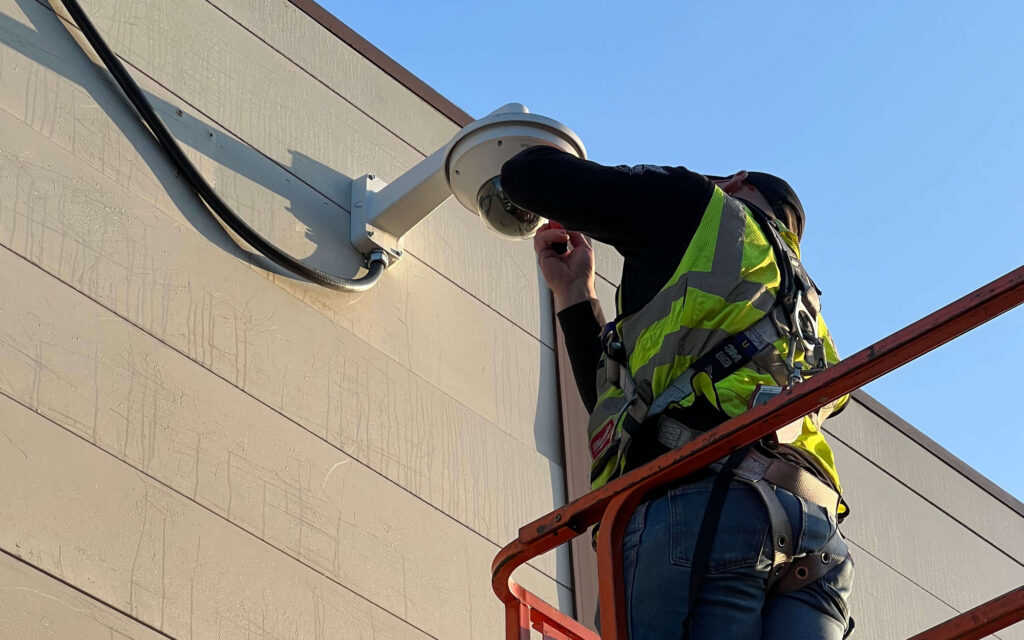
Lighting is an important part of any business. It affects how well employees work, how safe the space is, and even how much energy costs. Many businesses are now comparing LED vs. traditional lighting to find the best option. Understanding the differences between these two types of lighting can help you make the best choice for your business.
Understanding LED and Traditional Lighting Technologies
Before choosing the right lighting for your industry, it’s important to know how different types work. LED lighting for businesses and traditional lighting each have their own advantages and disadvantages. Learning about them will help you make an informed decision.
Traditional Lighting Overview
Traditional lighting has been used in commercial buildings for many years. While these options are often affordable, they are not always the most energy-efficient. Many businesses have relied on them simply because they are widely available and have been in use for decades.
- Incandescent bulbs: These are cheap but don’t last long and use a lot of energy.
- Halogen bulbs: Brighter than incandescent bulbs but still waste a lot of energy as heat.
- Fluorescent tubes: More efficient than incandescent bulbs but contain mercury, which makes them difficult to dispose of safely.
Though traditional lighting options are widely available, they may not be the best choice for long-term savings. Businesses that are looking for ways to cut costs and become more sustainable may want to explore newer alternatives.
LED Lighting Overview
LED lighting installation is becoming more popular because of its energy efficiency and long lifespan. LEDs have many benefits over traditional bulbs. Unlike traditional bulbs, they convert most of their energy into light rather than heat, making them far more efficient.
- Energy savings: Uses up to 75% less energy than traditional bulbs.
- Long-lasting: Can last up to 50,000 hours, which means fewer replacements.
- Eco-friendly: Contains no harmful materials like mercury, making disposal safer.
Understanding these differences can help businesses decide whether switching to LEDs is the right choice. Many companies are making the change due to the long-term savings and environmental benefits they offer.
Pros and Cons of LED vs. Traditional Lighting
Both LED and traditional lighting have benefits and drawbacks. Knowing these can help businesses choose the best option.
Energy Efficiency and Cost Savings
One major difference between LED vs. traditional lighting is how much energy they use. Businesses that switch to LEDs often see a noticeable drop in energy bills.
- LED lighting for businesses is more energy-efficient, meaning lower electricity bills.
- Traditional bulbs use more power and give off heat, which can increase cooling costs.
- While LED lighting installation costs more upfront, businesses save money over time due to lower energy use and fewer replacements.
Switching to energy-efficient lighting helps businesses save money in the long run. It also makes a business more eco-friendly, reducing its carbon footprint and reliance on non-renewable energy sources.
Lifespan and Maintenance
The amount of time a bulb lasts is another important factor to consider when deciding between LED vs. traditional lighting. Businesses that need lighting for long hours will benefit greatly from using bulbs that do not require frequent replacement.
- Traditional incandescent bulbs last around 1,000 hours, while fluorescent bulbs can last up to 10,000 hours.
- LED bulbs, however, last up to 50,000 hours, meaning fewer replacements.
Choosing longer-lasting bulbs helps businesses save time and money on maintenance. Employees won’t have to waste time changing bulbs, and businesses won’t need to spend extra on new fixtures as often.
Light Quality and Performance
The brightness and quality of light can affect how employees work and how customers experience a space. Good lighting creates a welcoming and productive environment.
- LEDs provide brighter and more consistent lighting compared to traditional options.
- Traditional bulbs can flicker or dim over time, which may reduce workplace comfort.
- LEDs focus light in specific directions, making them great for commercial building lighting and task lighting.
Better lighting improves the overall look and feel of a business space. It can enhance visibility, improve security, and even boost employee morale by creating a more comfortable workspace.
Upgrading your lighting can make a big difference in energy use and costs. Whether you’re considering LED lighting installation or need help choosing commercial building lighting, finding the right solution can lead to long-term benefits. Learn more about how the right lighting can improve efficiency and reduce expenses.
Explore energy-efficient lighting solutions from Ring and Ping Inc.
When to Choose LED or Traditional Lighting?
Different types of lighting work best in different situations. Understanding when to choose LED or traditional lighting can help businesses make the right decision.
Best Scenarios for LED Lighting Installation
LED lighting is a great choice in many commercial settings. Businesses that require lighting for long hours or operate in high-energy industries will benefit the most from LED installations.
- Businesses looking to reduce long-term costs and improve energy efficiency.
- Workplaces that need commercial building lighting for long hours, such as warehouses, offices, and retail stores.
- Companies that want to be more eco-friendly and lower their carbon footprint.
When Traditional Lighting Might Be a Better Fit
Even though LED lighting has advantages, traditional lighting can still work in some situations.
- Businesses with a small budget that need a quick, affordable lighting solution.
- Decorative lighting where traditional bulbs create a specific look.
- Areas where lights are used only occasionally, so energy savings aren’t a top priority.
Evaluating lighting needs and costs can help businesses choose the best option for their space. While LED lighting is often the smarter investment, there are still cases where traditional lighting makes sense.
Cost Analysis: Is LED Lighting Worth the Investment?
Cost is an important factor when deciding between LED vs. traditional lighting. Many businesses want to know if the investment in LED lighting will truly pay off.
- Upfront Cost: Traditional bulbs are cheaper at first, but LEDs cost more due to their advanced technology.
- Energy Savings: LEDs reduce electricity bills significantly, often paying for themselves over time.
- Maintenance Costs: Fewer replacements mean businesses spend less on labor and materials.
- Incentives: Many utility companies offer rebates for LED lighting installation, which can make the switch more affordable.
Looking at both upfront costs and long-term savings can help businesses decide if LEDs are the right investment. In most cases, the benefits outweigh the initial expense.
Environmental Impact of LED Lighting for Businesses
Sustainability is becoming more important for businesses. Choosing the right lighting can help reduce environmental impact.
- LEDs lower carbon emissions by using less energy.
- Traditional fluorescent bulbs contain mercury, making disposal more difficult.
- Many governments encourage LED use through energy-saving programs and regulations.
Switching to LED lighting is an easy way for businesses to reduce their carbon footprint and meet sustainability goals. Energy-efficient lighting helps protect the environment while saving money.
Shine Brighter with Expert Lighting Solutions from Ring and Ping
Deciding between LED vs. traditional lighting is an important choice for businesses. The right lighting can improve energy efficiency, lower costs, and create a better work environment. Ring and Ping has over a decade of experience in helping businesses find lighting solutions for their needs. Contact us today to discover how our electrical services can brighten your business.