Choosing the right Ethernet wiring solution comes down to four things: internet speed, number of connected devices, cable distance, and future usage. The right Ethernet wiring ensures faster data transfer, fewer interruptions, and a stable connection for streaming, gaming, remote work, and business operations. Whether you’re upgrading a home network or wiring a commercial space, the quality of your Ethernet setup or fiber optics directly affects performance. At Ring and Ping Communications, we help homeowners and businesses design reliable, future-ready Ethernet wiring solutions that eliminate slowdowns and connectivity issues.
Why Ethernet Wiring Solutions Matter More Than You Think
Many people blame slow internet on their service provider in Cypress, CA, but outdated or poorly installed wiring is often the real issue. Weak Ethernet cables can cause buffering, dropped video calls, and inconsistent speeds—even on high-speed internet plans. Think of your internet like water pressure: no matter how strong the supply is, narrow or damaged pipes will slow everything down. A properly chosen Ethernet wiring solution allows data to move efficiently, delivering consistent speeds and stable connections throughout your home or office.
Types of Ethernet Wiring Solutions Explained
Not all Ethernet cables perform the same. Each category is designed for different speeds, distances, and usage levels.
Cat5e Ethernet Cables
Cat5e cables support speeds up to 1 Gbps and are commonly found in older homes. They are affordable and functional but limited in handling interference and future upgrades.
Best for: Basic browsing, light streaming, and small households.
Cat6 Ethernet Cables
Cat6 cables offer faster speeds (up to 10 Gbps over short distances) and better protection against signal interference.
Best for: Modern homes, gaming setups, and small offices with multiple devices.
Cat6a and Cat7 Ethernet Cables
These advanced Ethernet wiring solutions are built for high bandwidth, long cable runs, and minimal interference.
Best for: Businesses, smart homes, and users planning for long-term network growth.
Expert Tip from Ring and Ping Communications: Always choose an Ethernet cable that exceeds your current needs. It’s cheaper to future-proof now than to rewire later.
How to Choose the Right Ethernet Wiring Solution (Step-by-Step)
1. Check Your Internet Speed
If your plan is under 1 Gbps, Cat5e may suffice. For gigabit or multi-gig speeds, Cat6 or higher is recommended.
2. Count Connected Devices
Homes with smart TVs, security systems, work laptops, and gaming consoles require stronger Ethernet wiring to prevent congestion.
3. Measure Cable Distance
Ethernet cables perform best under 100 meters. Cat6a maintains performance better over longer distances.
4. Consider Future Needs
Streaming quality, cloud storage, and remote work demands continue to grow. Choose cabling that supports future upgrades.
5. Decide on Installation Type
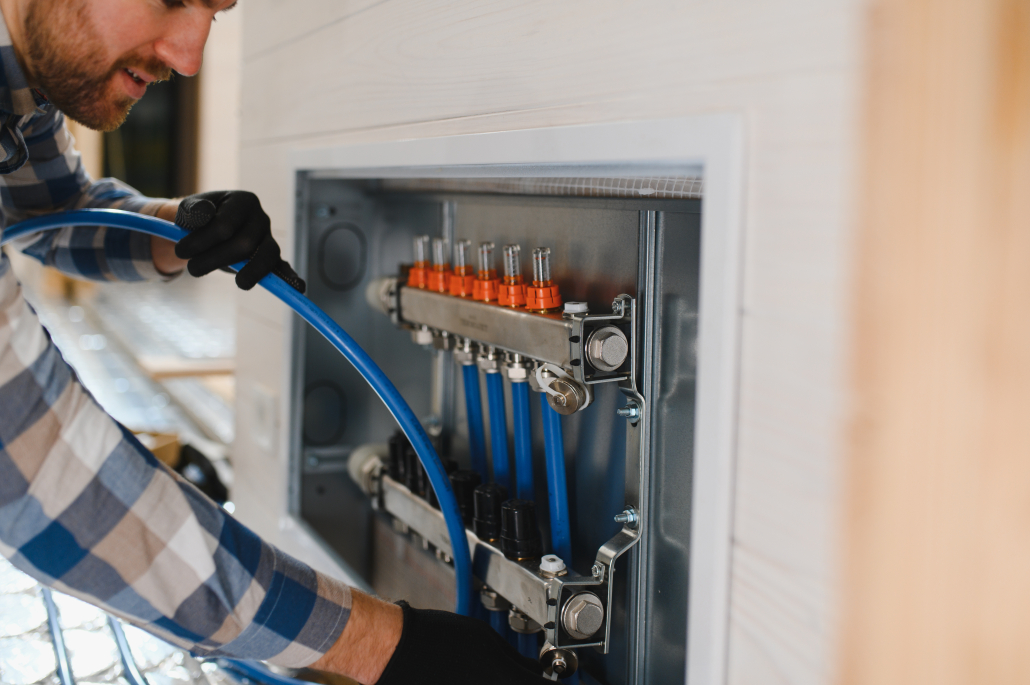
DIY installations may work for simple layouts, but professional Ethernet wiring ensures clean routing, proper termination, and optimal speeds.
Cat5e vs Cat6 vs Cat6a: Ethernet Cable Comparison
| Feature | Cat5e | Cat6 | Cat6a |
| Maximum Speed | 1 Gbps | 10 Gbps (short runs) | 10 Gbps |
| Max Distance | 100 m | 55 m at 10 Gbps | 100 m |
| Interference Resistance | Basic | Improved | Excellent |
| Cost | Low | Moderate | Higher |
| Ideal Use | Basic home use | Homes & offices | Commercial & future-proofing |
Distance and Layout: Why They Matter
The layout of your home or office plays a major role in Ethernet wiring performance. Multi-story buildings, long hallways, and server rooms often require longer cable runs or network switches. Professional installers evaluate your space to avoid signal loss, interference from power lines, and messy cable routing—ensuring reliable connectivity in every room.
DIY vs Professional Ethernet Wiring Installation
| DIY Installation | Professional Installation |
| Lower upfront cost | Clean, code-compliant setup |
| Flexible for simple layouts | Faster installation |
| Higher risk of mistakes | Optimized performance |
| Poor cable management | Long-term reliability |
While DIY wiring may work for small projects, professional Ethernet wiring delivers consistent speeds, proper testing, and long-term reliability.
Tips & Best Practices for Ethernet Wiring
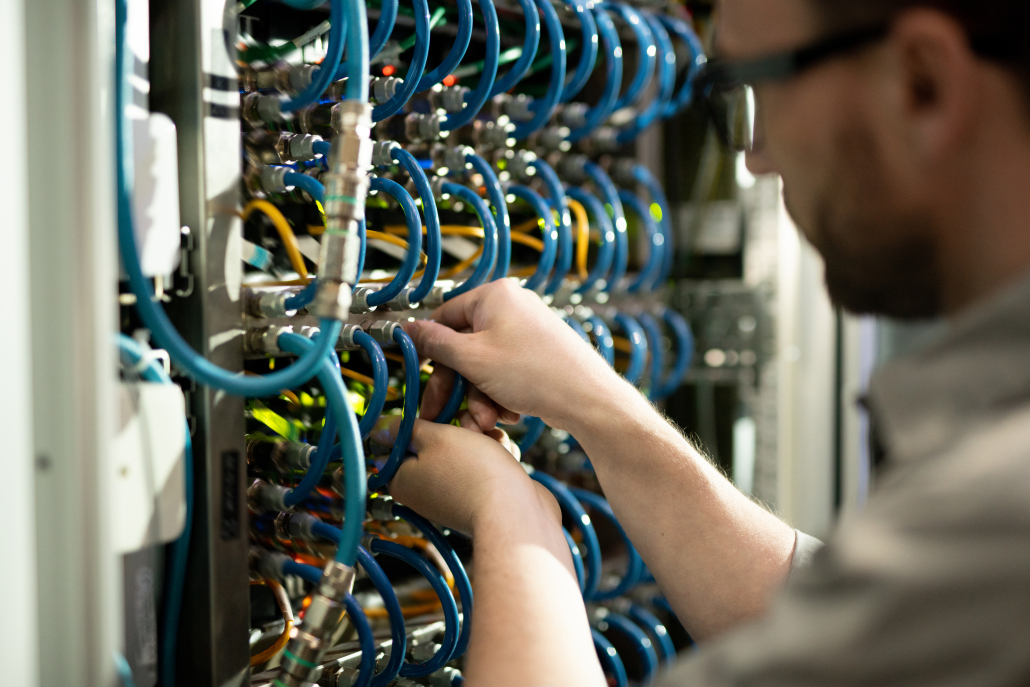
These best practices ensure your Ethernet wiring solution performs exactly as intended.
When Ethernet Wiring Is the Right Choice
Ethernet wiring is ideal for:
Ring and Ping Communications frequently installs Ethernet wiring during home upgrades and office expansions to eliminate Wi-Fi dead zones and improve network reliability.
Final Thoughts
Choosing the right Ethernet wiring solution doesn’t have to be complicated. By understanding cable types, usage needs, and layout considerations, you can build a fast, stable, and future-proof network. Whether you’re upgrading an existing system or installing new structured cabling, Ring and Ping Communications provides expert guidance and professional installation to ensure your network performs at its best. A solid Ethernet wiring solution is the foundation of reliable internet—don’t settle for shortcuts.
FAQs
1: Is 1G or 2.5G Ethernet better?
2.5G Ethernet is better for homes and offices with multiple users, gaming, and large file transfers. It provides higher bandwidth and smoother performance than standard 1G networks.
2: Is Cat5e or Cat6 better?
Cat6 is better for new installations because it supports higher speeds, reduces interference, and handles future bandwidth demands more effectively.
3: Do I need 500 Mbps or 1 Gig internet?
500 Mbps works for average households, but 1 Gig is better for heavy streaming, gaming, video calls, and multiple connected devices.
4: Is Cat6 overkill for home use?
No. Cat6 is now considered standard for modern homes and offers long-term value by supporting faster speeds and future upgrades.
5: Can Cat6 use RJ45 connectors?
Yes, Cat6 cables use standard RJ45 connectors, but proper termination is essential to achieve full performance.