The decision between copper cables and fiber optic cables can be confusing. Both have unique benefits and are suited to different environments. Let’s explore the purposes, installation locations, and pros and cons of each type to help you make the best choice for your network needs.
Exploring Fiber Cables vs Copper Cables
A thorough understanding of each cable is needed to explain when you should use it. They serve different purposes but are valuable for your network in their own ways. The most notable difference is that copper cables typically directly connect your devices to the Internet, while fiber optics connect to other locations such as a satellite office or separate space. Thinking of their usefulness in terms of distance can start you on the right track.
Copper Cables
Copper cables (such as Ethernet cables) are widely used for networking and computer connections. They transmit electrical signals and are commonly found in home and office networks, connecting devices like routers, switches, and computers. Copper cables are affordable and effective over short distances but have limited bandwidth and speed over long distances.
Fiber Optic Cables
Fiber optic cables transmit data using light signals, making them incredibly fast and capable of handling much larger bandwidths. They are commonly used for high-speed internet connections, long-distance data transmission, and large data centers. Fiber optics are less prone to signal degradation over long distances and are ideal for environments where high data speeds are crucial.
Where Are Copper Cables and Fiber Optic Cables Installed?
Choosing between fiber and copper often depends on the environment where the cables will be installed. Here’s a breakdown of where each type is typically used:
Copper cables are a tried-and-true technology still used in many homes, offices, and commercial buildings. While they’re reliable and cost-effective, they have certain limitations regarding distance and speed.
- Homes and Small Offices: Ethernet cables and telephone lines.
- Commercial Buildings: Connecting computers and devices within local networks.
- Short-Distance Data Centers: Used where short-distance connections are needed.
Fiber optic cables are rapidly becoming the go-to choice for high-speed data transmission over long distances. Their advanced technology makes them ideal for environments where speed and data volume are key.
- Telecommunications and Internet Providers: Used for fiber-to-the-home internet and backbone networks.
- Large-Scale Businesses or Institutions: High-speed data connections in hospitals, universities, and large companies.
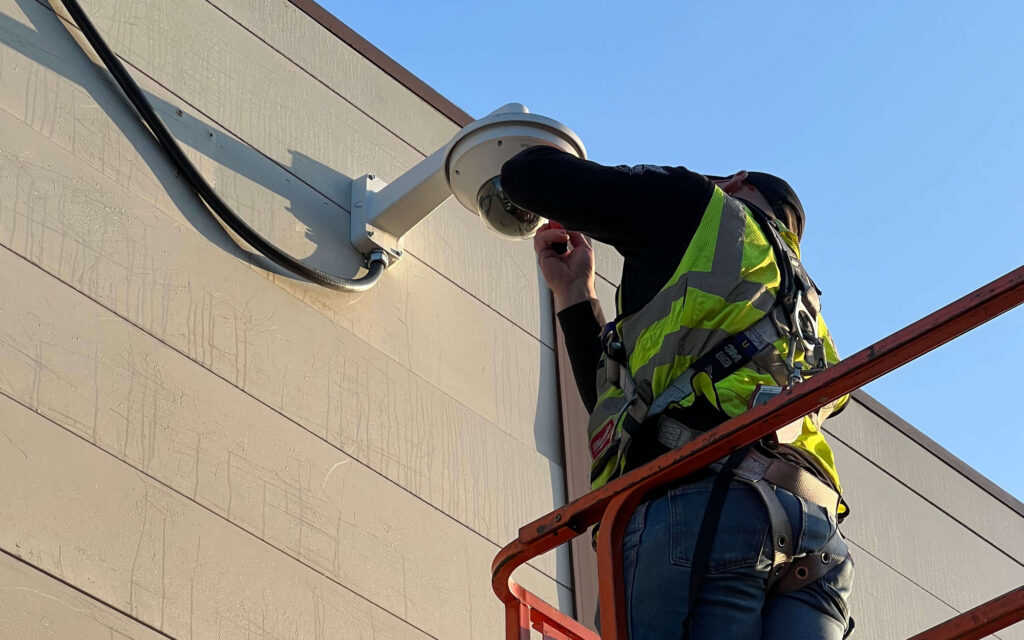
- Security and Surveillance Systems: Long-distance CCTV systems and other security applications.
Comparing Copper Cables and Fiber Optic Solutions
When deciding between copper cable and fiber optic solutions, it’s important to look at several key factors, including bandwidth, length, cost, and crosstalk. Understanding how each type of cable performs in these areas can help you make the best choice for your network.
Bandwidth Capabilities
Copper Cable: Copper cables are limited in their bandwidth capacity. While copper is sufficient for basic home and office use, where smaller data transfers are typical, it struggles to handle large volumes of data in high-performance environments. As a result, copper cables may experience slower speeds when transferring substantial amounts of information, especially in demanding business settings.
Fiber Optic: Fiber optic cables offer superior bandwidth, making them ideal for high-speed data transmission over long distances. They can handle much larger data loads without losing speed or performance, so they are often favored in environments such as data centers, large enterprises, and telecommunications. Fiber optics can keep up with the increasing demands of modern networks and growing data needs.
Typical Length of Cable Use
Copper Cable: One of the major limitations of copper cable is the distance over which it can transmit data. Copper cables are typically effective up to 100 meters (328 feet) before experiencing significant signal degradation. This makes copper a better option for shorter distances, like within homes or small offices, but it becomes less practical for long-distance communication.
Fiber Optic: Fiber optic cables, on the other hand, excel at transmitting data over much longer distances. Unlike copper, fiber optics can maintain signal strength across kilometers without experiencing signal loss. This makes fiber optic solutions perfect for connecting multiple buildings, campuses, or even cities where large distances need to be covered without sacrificing data quality.
Cost Implications
Copper Cable: The cost of installing copper cables is generally lower, especially for shorter distances. Copper cable is inexpensive, and installation is straightforward, which makes it a cost-effective solution for small businesses and home networks. However, when considering long-term scalability, copper can end up being more expensive due to its limitations in bandwidth and distance, potentially leading to more frequent upgrades.
Fiber Optic: Fiber optic cables come with a higher upfront cost due to the materials and specialized installation required. However, the investment pays off in the long run, as fiber optics provide higher speeds, better reliability, and longer service life without frequent upgrades. For businesses that need future-proof, scalable networks, fiber optic solutions ultimately offer better value despite the initial expense.
The Impact of Crosstalk and Interference
Copper Cable: One of the main drawbacks of copper cables is their susceptibility to electromagnetic interference (EMI) and crosstalk. Copper cables can pick up electrical noise from nearby devices or equipment, which can degrade the signal and result in data loss or slower performance. This is particularly problematic in industrial or high-traffic areas where interference is common.
Fiber Optic: Fiber optic cables are immune to electromagnetic interference because they transmit data using light instead of electrical signals. This makes them much more reliable in environments prone to interference, such as industrial plants or densely populated areas. Fiber optic cables provide a clear and stable connection, even in areas with high electromagnetic activity.
Are you looking for the perfect fiber optic cable? Take a look at these insights to choose the perfect solution for your network.
When to Choose Fiber vs. Ethernet Copper Cables
Deciding between copper cable and fiber optic cables depends largely on your specific needs. If you’re working in a small environment where cost is a factor and extreme speed isn’t required, copper is the way to go.
- Short Distance and Budget-Friendly: Perfect for homes and small businesses with local connections.
- PoE Needs: Best for situations where power and data are transmitted via the same cable.
On the other hand, fiber optic cables are your best bet when speed, distance, and data capacity are crucial. Whether it’s for a large enterprise or a citywide network, fiber optic will offer the performance you need.
- High-Speed Requirements: Necessary for businesses and data centers that require fast, reliable data transmission.
- Long-Distance Communication: Ideal for sending data across long distances without signal loss.
- Interference-Prone Environments: Fiber optics are resistant to electromagnetic interference, making them the right choice for industrial settings.
Key Takeaways
Copper cables and fiber optic cables serve distinct purposes, each excelling in different environments. Understanding where each type of cable excels can help you build a network that meets your requirements.
Copper Cables are ideal for:
- Short Distances: Suitable for small offices or home environments where devices need to be connected locally.
- Cost-Effectiveness: An affordable solution where high data speeds and long distances aren’t a priority.
- PoE Applications: Perfect for delivering both data and power to devices like cameras and phones via a single cable.
Fiber Optic Cables are perfect for:
- Long Distances: Fiber optics maintain signal strength and quality over long distances, perfect for large-scale networks.
- High-Speed Data Transfer: Ideal for environments requiring fast, reliable data transmission, such as data centers and large enterprises.
- Future-Proofing Your Network: Fiber optics can handle growing data demands, making them a smart long-term investment.
Get Connected With a Reliable Network Cabling Company Like Ring and Ping
Our experts are professionals in cable installations and can get you up and running at the drop of a hat. With superior customer service and flexible solutions for any industry, the Ring and Ping team offers everything from AV hookups to security installations. Contact our team today and see how we can help you get connected and stay connected.