Commercial properties need reliable, updated electrical systems, from new technologies and energy-efficient lighting to the increasing demand for power outlets and high-tech audiovisual systems. Whether you’re considering commercial office renovations for an existing building or outfitting a new commercial space, electrical system upgrades are essential for maintaining safety, improving energy efficiency, and supporting the latest technologies.
In this blog, we discuss different aspects of electrical system upgrades for commercial properties, focusing on lighting installations, outlet installations, audiovisual hookups, and circuit installations.
Why Electrical System Upgrades Are Important for Commercial Properties
Upgrading the electrical system in a commercial property is not just about ensuring that the lights turn on or that outlets provide power to devices. Modern businesses require versatile, scalable, and energy-efficient systems that can accommodate a variety of technological demands. Outdated or inadequate electrical infrastructure can lead to frequent power outages, fires, and other safety hazards. In addition, businesses that fail to keep up with technological advancements may find themselves at a competitive disadvantage.
A well-maintained, up-to-date electrical system ensures that employees and customers remain safe while providing a reliable foundation for your daily operations. Additionally, energy-efficient systems can help lower operating costs, reducing your business’s environmental footprint and utility expenses.
Different Types of Electrical System Upgrades
Below are some different types of electrical system upgrades that can take your commercial space to the next level:
New Lighting
Lighting is one of the most essential components of any commercial property. Proper lighting improves visibility, enhances employee productivity, and creates a welcoming customer atmosphere. However, outdated lighting systems can be inefficient and costly. That’s why upgrading your lighting system to more energy-efficient solutions is crucial in modernizing your electrical setup.
Benefits of Upgrading to Energy-Efficient Lighting
- Reduced Energy Consumption: Traditional incandescent and fluorescent bulbs consume more energy than newer LED options. LED lighting lasts longer and consumes significantly less power, making it a great option for businesses looking to reduce their energy costs.
- Improved Lighting Quality: Modern LED lighting offers better color rendering and more customizable brightness options. These improvements can help create a more productive and visually appealing environment for employees and customers.
- Lower Maintenance Costs: Traditional bulbs must be replaced frequently, and their fixtures can become unreliable. LEDs have a much longer lifespan and require less maintenance, which can translate into savings over the long term.
Types of Lighting Upgrades
- Task Lighting: Installing dedicated lighting for specific tasks, such as workstations, retail displays, or conference rooms, can improve productivity and reduce eyestrain.
- Ambient Lighting: Overhead lighting that provides overall illumination for common areas can be upgraded with dimmable LED fixtures to improve comfort and energy efficiency.
- Accent Lighting: Installing LED strip lights or other accent lighting around architectural features or retail environments can add visual appeal while being energy efficient.
Explore essential information on common commercial electrical issues and their solutions.
New Outlets
As businesses incorporate more devices into their operations, the number of electrical outlets required increases. In many older commercial buildings, outlets may be scarce or outdated. Installing new outlets in key areas—such as offices, conference rooms, break rooms, and customer service areas—ensures that all devices can access power when needed.
Different types of commercial outlet upgrades include:
High-Power Outlets for Equipment
High-power outlets (often called heavy-duty or industrial-grade outlets) are designed to handle equipment with higher power requirements. These outlets can support heavy machinery, large appliances, or high-wattage electronics that need more power than typical office or retail equipment. Examples include:
- 240V outlets for equipment such as industrial machines, air conditioning units, or high-powered appliances.
- 20 or 30 amp outlets for tools or machinery that demand more current.
These outlets are typically hardwired to a dedicated circuit to prevent overloads and ensure safe operation.
USB Outlets
USB outlets are becoming increasingly popular in commercial spaces for charging devices such as smartphones, tablets, and laptops. They replace or supplement traditional power outlets, making them especially useful in environments like:
- Offices, meeting rooms, and coworking spaces, where employees or guests need to charge personal devices.
- Retail and customer-facing areas offer convenience to customers needing to charge their phones while shopping or waiting.
USB outlets are typically designed with a combination of standard AC outlets and USB-A or USB-C ports, allowing for flexible charging without the need for adapters.
Dedicated Circuits for High-Demand Areas
Certain areas of a commercial facility may require a dedicated circuit to handle the electrical demands of specific equipment. These circuits are isolated from the general power grid of the building, ensuring that high-demand equipment doesn’t cause disruptions or overloads to other systems. Common applications include:
- Kitchen areas in restaurants may need heavy-duty appliances like ovens, fryers, or dishwashers.
- Data centers, where servers and IT equipment require stable, uninterrupted power.
- Workshops or production areas where specialized tools or machinery are in constant use.
Dedicated circuits are typically installed by licensed electricians and should be properly rated to handle the specific equipment’s requirements.
Audio-Visual (AV) Hookups
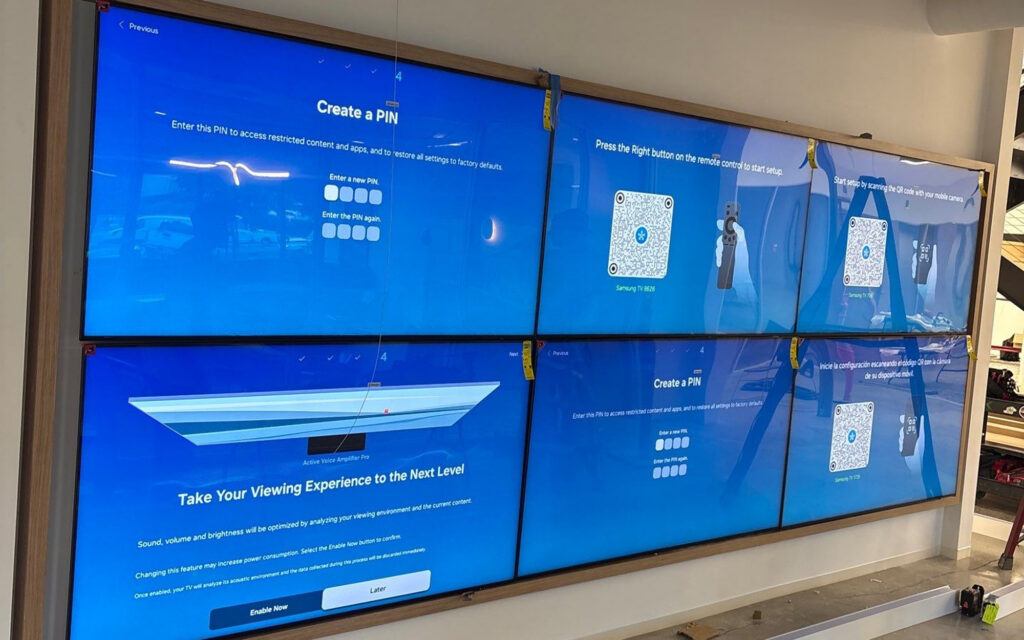
Audio-visual equipment has become a cornerstone of communication and presentation in many commercial environments. Whether it’s a conference room, a retail store, or a training facility, businesses require reliable AV hookups to support video conferencing, presentations, sound systems, and more.
AV system integration and upgrades include:
Video Conferencing Systems
Video conferencing systems have become essential for businesses, particularly with the rise of remote work and global collaboration. Modern video conferencing systems include high-quality audio and video, making virtual meetings more efficient and engaging. Key components of an upgraded video conferencing system might include:
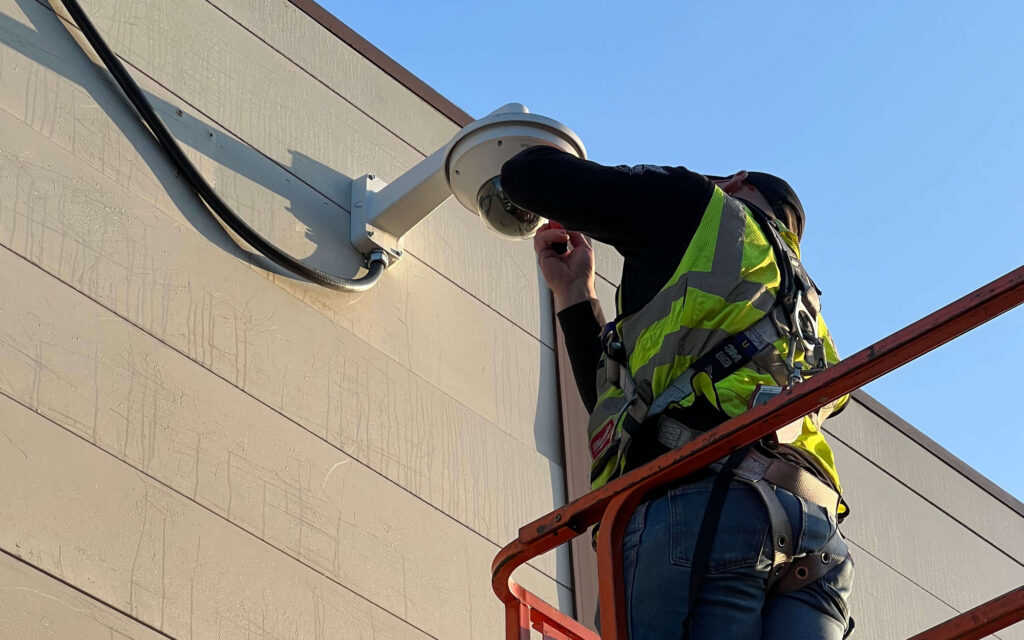
- High-definition cameras with pan, tilt, and zoom features provide clear, wide-angle views of the meeting room and participants.
- Integrated microphones and speakers that offer crystal-clear sound, even in large meeting rooms.
- Touchscreen control panels for easy management of calls, camera angles, and presentations.
- Software and cloud integration for platforms like Zoom, Microsoft Teams, or Google Meet.
- Wireless presentation options allow participants to share screens and content without needing to plug in cables.
- Room booking systems that integrate with calendars to automate meeting room scheduling and resource management.
Upgrading your video conferencing system can make virtual meetings more seamless and professional, reducing technical issues and enhancing productivity.
Projection Systems
Projection systems are ideal for presentations, meetings, and training sessions. They allow businesses to display content to large audiences with ease. Upgrading your projection system might include:
- High-resolution projectors for sharp, clear images, even in well-lit rooms. Options may include 4K or laser projectors for more vibrant colors and longer lifespan.
- Motorized screens that can be retracted when not in use, providing a sleek, clean look for the room.
- Wireless presentation devices allow speakers to present without needing to connect cables directly to the projector.
- Short-throw or ultra-short-throw projectors, which can project large images even from a short distance, are ideal for smaller rooms or spaces with limited ceiling height.
Projection systems can be used in conjunction with video conferencing systems or standalone for larger meetings and presentations.
Sound Systems
A high-quality sound system is crucial for ensuring that audio is clear, crisp, and reaches all attendees in a meeting, conference, or event. Upgrades to sound systems can include:
- Speaker systems with strategically placed ceiling-mounted or wall-mounted speakers ensure even sound distribution throughout the space.
- Sound mixers control and adjust audio levels, particularly in large spaces where multiple microphones or audio sources are used.
- Wireless microphones or lapel mics for mobility during presentations or conferences.
- Acoustic treatments such as soundproofing, wall panels, or ceiling tiles to minimize echo and improve overall audio quality.
- Subwoofers for more dynamic sound in large spaces, ensuring low-end frequencies are clear during presentations, events, or performances.
Upgrading your sound system can enhance the clarity and effectiveness of communication, making it easier for all participants to hear and engage.
Circuit Installation
Upgrading or adding circuits during a commercial renovation project is crucial for ensuring the electrical system can handle the increased load, maintain safety, and meet compliance standards.
Here’s a closer look at the reasons why you should consider circuit installation as part of your commercial upgrade:
Increases Power Demand
As businesses evolve, so do their electrical needs. New equipment, technology, or operations often require more power than the existing circuits can provide. This is particularly true if:
- New machinery or appliances (such as high-power industrial equipment, HVAC systems, or server racks) are added to the business operations.
- Office equipment (e.g., computers, printers, copiers) or technology (e.g., large-screen displays, interactive kiosks, or smart devices) is upgraded or expanded.
- Electrical load in areas like kitchens, production floors, or data centers increases with the addition of high-demand appliances or equipment.
Without enough circuits to meet this demand, you risk overloading your system, which can lead to power interruptions, damage to equipment, or even electrical fires. Installing additional or upgraded circuits ensures your business can function smoothly without strain on the electrical system.
Avoids Overloading
By upgrading or adding new circuits, you distribute the electrical load more effectively, reducing the likelihood of overloading. For example:
- Dedicated circuits for high-power equipment (like industrial machines or kitchen appliances) can prevent overloads on general-purpose circuits.
- Multiple smaller circuits can be used to spread out the electrical demand across a facility, preventing one circuit from becoming too burdened.
Additionally, circuit upgrades can improve safety by ensuring that each area or piece of equipment gets the right amount of power without overstressing the system.
Modernize Your Commercial Property’s Electrical System With Ring and Ping
As a commercial electrical contractor, Ring and Ping provide comprehensive commercial electrical system upgrades tailored to the needs of warehousing, manufacturing, and data and call centers. Their services range from efficient lighting installations that enhance energy savings and productivity to advanced audio-visual setups for seamless communication and operations. With a focus on safety, reliability, and technology integration, Ring and Ping ensures that businesses are equipped with the electrical infrastructure needed to support modern operations and drive growth. Contact us today to schedule your upgrade.