Selecting the right equipment for your business is more important than ever. With a growing number of threats to physical assets, from unauthorized access to vandalism, having an efficient and reliable security system can mean the difference between peace of mind and costly issues down the road.
If you’re in the process of upgrading your system or investing in new security equipment, there are several factors to consider. The right tools can protect your business while enhancing its day-to-day operations.
Why Selecting Security Equipment That Fits Your Business is Crucial
Security is not a one-size-fits-all solution. The type of equipment you need depends on the size, location, and specific risks associated with your business. Making the right choice now can save you from unexpected vulnerabilities later. Whether you’re looking to upgrade outdated systems or invest in something new, each decision you make will have a long-term impact on how well your business is protected.
The Importance of Protecting Your Business with the Right Tools
Your security system should work as a proactive shield for your business, keeping out threats before they even arise. Whether you’re safeguarding high-value assets or monitoring employee activity, having the right system in place means quicker response times, fewer false alarms, and overall better security.
Factors to Consider When Choosing Security Solutions
Think about the specific areas you need to protect, your budget, and how technology has evolved. Outdated equipment may be leaving your business vulnerable, so upgrading to the latest technology can drastically improve your security coverage and efficiency.
How to Select Security Solutions Based on Your Budget
Budget is one of the most important factors when selecting security equipment. Fortunately, there are options for businesses of every size. You can invest in basic camera setups or opt for more advanced systems like Managed Detection and Response (MDR), which can monitor and analyze threats in real time without requiring hard drives.
Understanding the Range: Budgeting from Basic to Advanced Systems
When it comes to security, you can go as basic or as advanced as your budget allows. Basic systems might include singular cameras with limited features, while more advanced setups, like MDR systems, offer continuous threat detection and analytics.
Managed Detection and Response (MDR) vs. Other Systems
MDR systems offer comprehensive monitoring, analyzing data and responding to threats without the need for constant manual oversight. While these systems can run into higher costs, they offer unparalleled protection, especially for businesses dealing with sensitive information or high-value inventory.
Balancing Quality and Cost for Long-term Value
While it might be tempting to cut corners to save on upfront costs, remember that quality should never be compromised. Choosing cheaper, low-quality equipment can end up costing you more in the long run, as it is prone to malfunction or requires frequent upgrades. Investing in a higher-quality system upfront often leads to better results and fewer headaches down the road.
Exploring Types of Security Systems for Businesses
Selecting the right type of security equipment for your business can feel overwhelming. From indoor and outdoor cameras to all-in-one systems and add-on components, the options are vast. In the event of an emergency, your business relies on your security system. To make an informed decision, it’s crucial to understand the different systems available and how they can be integrated into your current setup.
Indoor vs. Outdoor Equipment
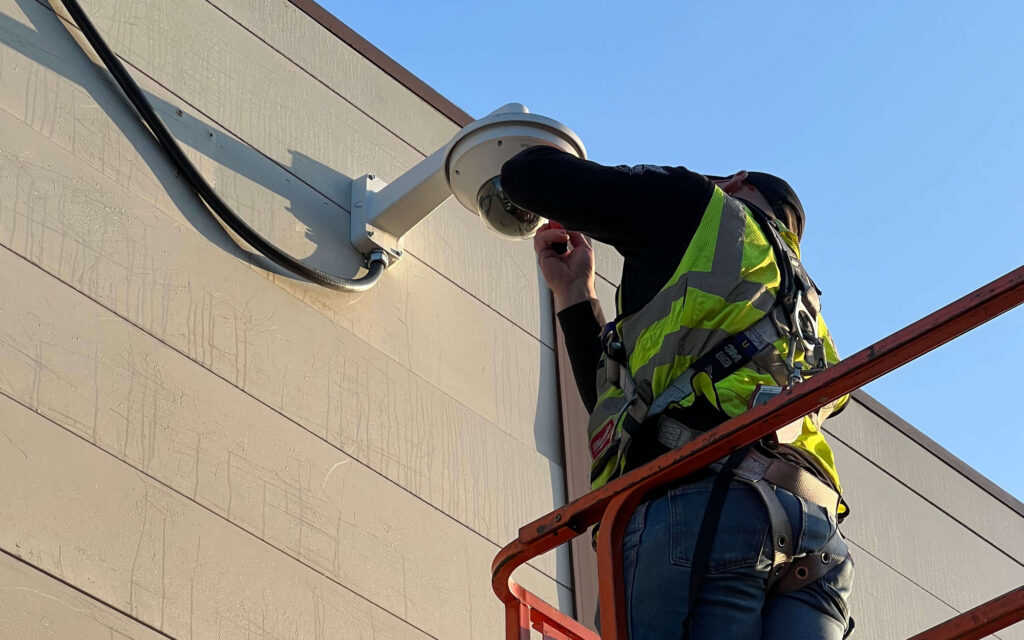
Not all security cameras are created equal—some are designed specifically for indoor use, while others are made to withstand the elements outdoors. Indoor cameras typically focus on monitoring employee activity or securing entrances, while outdoor cameras need features like weatherproofing, night vision, and wide-angle lenses to protect large areas such as parking lots or building perimeters.
All-in-One Systems
All-in-one security systems combine several components—cameras, alarms, access control, and monitoring—into a single, unified solution. These systems simplify installation and maintenance, making them ideal for businesses that want comprehensive security with minimal hassle. All-in-one systems are a great option if you’re looking for an efficient, seamless setup that covers all bases in one go.
Singular Components and Add-ons
If you prefer more flexibility, you might opt for individual cameras, access controls, and other components that can be added as needed. Singular components allow you to build a customized security system tailored to your specific needs, offering greater control over what equipment you choose and where it’s installed. This modular approach also makes it easier to scale your system as your business grows.
Wide Angles and Fixed Lens Cameras
Depending on the layout of your business, you may need a mix of wide-angle and fixed-lens cameras. Wide-angle cameras are ideal for monitoring large spaces like warehouses or open offices, covering a broader area with fewer devices. Fixed-lens cameras are more suited for hallways, entrances, or any location that requires focused surveillance. Using a combination of these types ensures comprehensive coverage and eliminates blind spots.
MDR
As discussed earlier, MDR systems offer high-level protection through continuous monitoring and rapid response capabilities. They are especially useful for businesses that need a more hands-off approach to security, as the system automatically handles detection and response. With MDR, you get a more efficient way to manage threats without constantly needing manual input.
Have you upgraded your business’s security systems? Ring and Ping has modern solutions for surveillance and access controls to keep you updated.
Server and Software Needs: Understanding System Requirements
Beyond cameras and access controls, some business security systems will need to consider server and software requirements. Depending on the size of your system and how much data you plan to process, you may need dedicated hardware or a PC-based solution.
Full Server Systems: When You Need Dedicated Hardware
A full server system might be necessary for businesses that require high levels of data processing or have multiple locations. This system involves dedicated hardware that stores and processes large amounts of data, making it a robust option for larger operations.
PC-Based Security: Licensing and Compliance Considerations
PC-based systems are ideal for smaller businesses or those that don’t need the processing power of a dedicated server. However, these systems often require licensing and additional compliance measures, which can add to the complexity of managing the system.
Features, Manufacturers, and Compliance When You Select Security Solutions
When selecting security equipment, consider the features you need, the manufacturers you trust, and compliance with industry regulations. These considerations will help you make an informed decision that protects your business in the long term.
What Features Should You Prioritize?
Key features to look for in security equipment include motion detection, night vision, and remote monitoring capabilities. These tools allow you to stay informed about your business’s security from anywhere.
NDA and Government Compliance: What to Watch Out For
If your business deals with sensitive data or works with government entities, ensuring that your equipment complies with Non-Disclosure Agreements (NDAs) and other regulations is crucial. Some systems are specifically designed for high-security environments, while others may not meet the necessary standards.
Why Outsourcing Security Equipment Setup Saves You Time and Money
While setting up your own security system might seem like a good way to save money, outsourcing this work to professionals often provides better results and long-term savings. Professional installers can optimize your system and ensure it runs smoothly from day one.
ROI: Long-term Benefits of Outsourcing Security Setup
By outsourcing your security system setup, you not only benefit from expert installation but also from the potential long-term savings. A properly installed system is less likely to need costly repairs or adjustments down the road, making it a better investment overall.
Continuous Support and System Upgrades
When you outsource to a trusted provider, you also gain access to continuous support and system upgrades. As your business grows or new technology becomes available, having a professional partner ensures that your system remains up-to-date and fully functional.
Select Security Solutions That Work for Your Business With Ring and Ping
Choosing the right security equipment for your business is a critical decision that impacts both safety and efficiency. Whether you’re upgrading existing systems or starting fresh, take the time to consider your options and ensure your system fits your needs. For those looking to simplify the process, reach out to Ring and Ping for expert advice and solutions tailored to your business’s security requirements.